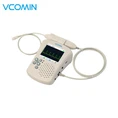
Vascular doppler devices play a crucial role in modern medical diagnostics, enabling clinicians to accurately assess blood flow, detect vascular diseases, and monitor patient conditions. For procurement managers, distributors, and hospital buyers, choosing the right vascular doppler ultrasound device is not only about price-it is about clinical performance, reliability, regulatory compliance, and long-term partnership value.
This comprehensive procurement-focused guide will help you understand what to look for when sourcing vascular doppler devices, compare key specifications, and make informed purchasing decisions for different markets.
What Is a Vascular doppler and Why Does It Matter
A vascular doppler is a medical diagnostic device that uses the doppler effect to evaluate blood flow through arteries and veins. By detecting changes in sound frequency caused by moving blood cells, the device helps healthcare professionals identify abnormalities such as:
Peripheral arterial disease (PAD)
Venous insufficiency
Carotid artery stenosis
Deep vein thrombosis (DVT)
From a procurement perspective, vascular dopplers are widely used in:
Hospitals and outpatient clinics
Vascular surgery and cardiology departments
Primary care facilities
Home healthcare and community screening programs

Key Types of Vascular doppler Devices
Understanding product categories is essential before making procurement decisions.
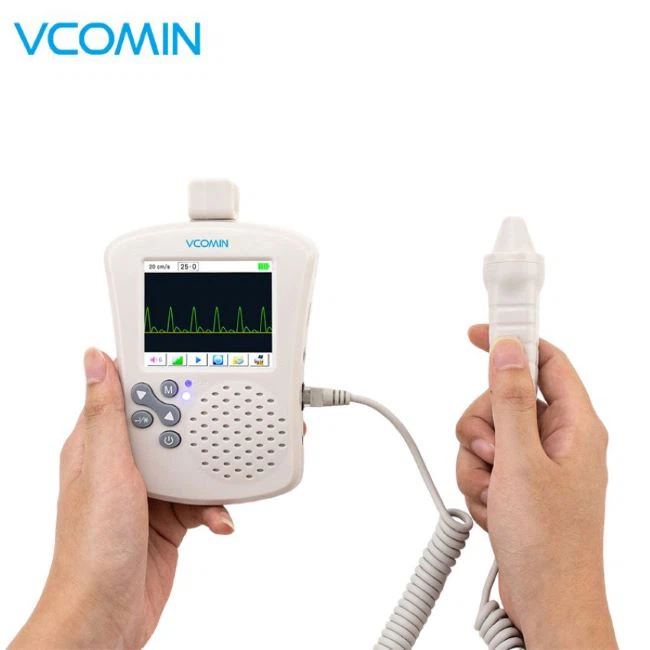
Handheld vascular doppler devices are compact, portable, and cost-effective. They are commonly used for routine vascular assessments and bedside examinations.
Advantages:
Lightweight and portable
Easy to operate
Lower procurement and maintenance costs
Ideal for screening and daily clinical use
Common applications:
Peripheral vascular assessment
ABI (Ankle-Brachial Index) measurement
Postoperative monitoring

Core Technical Specifications Buyers Should Evaluate
When sourcing a vascular doppler ultrasound device, procurement teams should focus on the following key parameters:
Probe Frequency Options
Different probe frequencies are used for different examination depths:
4–5 MHz: Deep vessels (e.g. femoral artery)
8 MHz: General peripheral vascular assessment
10 MHz: Superficial vessels
A good procurement choice often includes interchangeable probes to expand clinical application.

Audio Quality and Signal Sensitivity
Clear and stable audio output is critical for accurate diagnosis. High-quality vascular dopplers should provide:
Low noise interference
Stable blood flow signals
Adjustable volume control
Poor signal quality can lead to misinterpretation and user dissatisfaction.
Display and Output Features
Depending on the market and clinical level, buyers may choose devices with:
LED or LCD
Digital waveform visualization
Heart rate or flow indication
For primary care and screening markets, audio-only handheld dopplers may be sufficient, while hospitals often prefer visual display models.
OEM, ODM, and SKD Options for Global Buyers
For distributors and brand owners, flexibility in cooperation models is a major advantage.
OEM and ODM services allow buyers to:
Customize product appearance and branding
Add logos and private labeling
Localize packaging and user manuals
This is especially valuable for companies building their own medical device brand.
Pricing Considerations: How to Balance Cost and Quality
While price is an important factor, procurement decisions should consider the total cost of ownership, including:
Product durability
Warranty period
After-sales support
Replacement parts availability
Bulk purchasing often brings better cost efficiency, but consistent quality and supplier reliability are more important for long-term cooperation.
A professional vascular doppler manufacturer should offer:
Transparent pricing structure
Quantity-based discounts
Stable long-term supply
Supplier Evaluation Checklist for Procurement Teams
Before finalizing a purchase, consider the following checklist:
Manufacturing experience (10+ years preferred)
Global xport history and references
Compliance with international standards
OEM / DM and SKD capability
Technical documentation and training support
Responsive communication and after-sales service
Strong suppliers act as long-term partners, not just product vendors.
Vascular doppler Applications Across Different Markets
Vascular doppler demand continues to grow globally due to:
Aging populations
Rising cardiovascular disease prevalence
Expansion of primary healthcare infrastructure
Key markets include:
Europe: Focus on certification and quality
India and South Asia: Strong demand for cost-effective and SKD solutions
Middle East & Africa: Growing need for portable and durable devices
Understanding market needs helps procurement teams select the right product configuration.
Making a Smart Vascular doppler Procurement Decision
Choosing the right vascular doppler ultrasound device requires careful evaluation of clinical performance, compliance, supplier capability, and long-term value.
For procurement professionals, partnering with an experienced manufacturer that offers certified products, flexible cooperation models, and stable supply is the key to success.
By focusing on quality, adaptability, and reliable support, buyers can confidently source vascular doppler devices that meet both clinical and commercial goals.
About the Manufacturer
Vcomin Technology Limited is a professional medical device manufacturer with over 15 years of experience, specializing in vascular dopplers, fetal dopplers, ECG devices, and veterinary diagnostic products. With global export experience and strong OEM/ODM and SKD capabilities, Vcomin supports partners worldwide in building sustainable medical device businesses.