

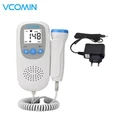
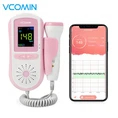
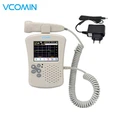
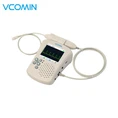
Evidence-Based Insights for Safer Companion Animal Monitoring
With the growing awareness of chronic diseases in companion animals, pet owners are increasingly interested in monitoring health parameters at home. Among these, blood pressure monitoring has gained attention due to its strong association with kidney disease, cardiac disorders, and endocrine conditions. This trend raises an important question: Is a Veterinary blood pressure system suitable for home pet use?
This article explores the scientific, clinical, and practical considerations behind home blood pressure monitoring, guided by international veterinary guidelines and real-world clinical evidence.
Why Blood Pressure Monitoring Matters for Pets
Systemic blood pressure reflects cardiovascular stability and organ perfusion. In dogs and cats, persistent hypertension is strongly associated with chronic kidney disease (CKD), hyperthyroidism, diabetes, and cardiac disease.
According to the ACVIM Consensus Statement, systemic hypertension affects:
60–65% of cats with CKD
30–50% of dogs with endocrine disorders¹
A properly validated Veterinary blood pressure system enables early detection, which is essential for preventing irreversible target organ damage.
What Is a Veterinary Blood Pressure System?
A Veterinary blood pressure system refers to a non-invasive or invasive system designed specifically for animals, accounting for differences in limb anatomy, heart rate variability, and behavioral stress.
|
Measurement Method |
Typical Use |
Suitability for Home |
|
Doppler ultrasonic |
Gold standard in clinics |
Limited |
|
Oscillometric |
Widely used |
Moderate |
|
Invasive arterial |
ICU / surgery |
Not suitable |
For home use, non-invasive oscillometric Veterinary blood pressure systolic devices are the only realistic option.
Is Home Blood Pressure Monitoring Clinically Reliable?
Clinical accuracy depends on multiple factors beyond the device itself.
|
Factor |
Impact on Accuracy |
|
Proper cuff size |
±10–30 mmHg variation |
|
Animal movement |
False readings |
|
Emotional stress |
White-coat or home stress |
|
Measurement repetition |
Diagnostic reliability |
Studies show that single, untrained measurements may deviate by up to 25 mmHg compared with clinical readings². Therefore, a Veterinary blood pressure system used at home must follow strict protocols.
Which Pets May Benefit From Home Monitoring?
Home use of a Veterinary blood pressure systern may be beneficial for:
Pets with diagnosed chronic kidney disease
Geriatric cats prone to hypertension
Dogs receiving antihypertensive therapy
Pets experiencing stress-induced clinic hypertension
However, home monitoring is not intended for diagnosis, but rather for trend observation under veterinary supervision.
What Blood Pressure Values Should Concern Pet Owners?
|
Species |
Normal SBP |
Intervention Threshold |
|
Dog |
110–160 mmHg |
≥ 160 mmHg |
|
Cat |
120–140 mmHg |
≥ 160 mmHg |
According to ACVIM, treatment decisions should never be made based on a single home reading, regardless of the Veterinary blood pressure systern used.
Risks of Misinterpretation at Home
|
Error |
Clinical Consequence |
|
Incorrect cuff placement |
False hypertension |
|
Over-frequent measurement |
Stress-induced elevation |
|
Treating numbers alone |
Iatrogenic hypotension |
These risks underline why home use of a Veterinary blood pressure system must be guided by veterinary professionals.
Can Home Monitoring Improve Clinical Outcomes?
A 2020 study in the Journal of Veterinary Internal Medicine demonstrated that pets whose blood pressure was monitored at home under veterinary instruction showed:
Improved medication compliance
Earlier detection of therapy failure
Reduced clinic stress artifacts³
Thus, a Veterinary blood pressure system can enhance care continuity when used responsibly.
Industry-Wide Challenge and Solution
Industry Problem: Consumer-Grade Devices Without Clinical Validation
An increasing number of consumer-grade pet blood pressure devices are marketed directly to owners without adequate validation. These devices often lack species-specific algorithms, leading to inconsistent readings and unnecessary anxiety.
Evidence-Based Solution
The veterinary industry must clearly differentiate clinical-grade Veterinary blood pressure systolic devices from consumer gadgets. Veterinary professionals should guide pet owners toward validated non-invasive systems and provide structured training on measurement protocols.
Manufacturers can support this process by offering educational materials, standardized cuffs, and data-sharing options for veterinary review. Clinics should establish clear thresholds for when home data warrants intervention. By positioning home monitoring as a complementary tool rather than a diagnostic replacement, both accuracy and safety can be maintained.
Frequently Asked Questions
Can pet owners diagnose hypertension at home?
No. Diagnosis requires repeated measurements across multiple visits using a validated Veterinary blood pressure systern under veterinary interpretation.
Is home monitoring safe for anxious pets?
In highly anxious animals, home monitoring may worsen stress-related blood pressure fluctuations.
Professional Terminology and Data Annotations
SBP (Systolic Blood Pressure): Maximum arterial pressure during cardiac contraction.
MAP (Mean Arterial Pressure): Average pressure across the cardiac cycle; key indicator of organ perfusion.
White-Coat Hypertension: Temporary elevation caused by stress during measurement.
Target Organ Damage: Injury to the kidneys, eyes, brain, or heart due to sustained hypertension.
Authoritative References and Further Reading
ACVIM Consensus Statement on Systemic Hypertension
https://onlinelibrary.wiley.com/doi/10.1111/jvim.15086
Binns, S. H. et al. (1995). Non-invasive blood pressure measurement in cats.
Journal of Veterinary Internal Medicine
https://onlinelibrary.wiley.com/doi/10.1111/j.1939-1676.1995.tb03289.x
Brown, S. et al. (2020). Blood pressure monitoring and outcomes in companion animals.
Journal of Veterinary Internal Medicine
https://onlinelibrary.wiley.com
WSAVA Global Clinical Guidelines
https://wsava.org