

In the evolving field of veterinary diagnostics, doppler ultrasound technology has emerged as one of the most powerful and non-invasive tools available to animal healthcare professionals. Particularly in animal blood flow monitors-commonly known as veterinary vascular dopplers-this technology is transforming how veterinarians assess circulation, detect vascular disorders, and monitor surgical procedures. But just how advanced is the current Doppler ultrasound technology in these devices?

1.What is a veterinary vascular doppler?
A veterinary vascular doppler is a specialized device used to detect and measure blood flow in animals. By emitting high-frequency ultrasound waves and analyzing the echoes from moving blood cells, the device helps clinicians evaluate the patency of vessels and the direction and velocity of blood flow. It is an essential tool in small animal clinics, veterinary hospitals, and research institutions.

2.The power of doppler ultrasound in animal care
Doppler ultrasound technology has evolved significantly over the past decade. Today's devices are more compact, sensitive, and accurate than ever before. Modern veterinary dopplers, such as those manufactured by VCOMIN, offer the following advancements:
2-1. High sensitivity and precision
With advancements in signal processing, today's devices can detect even the weakest blood flow in peripheral vessels, which is particularly important in small animals like cats, rabbits, or exotic pets. These enhancements allow for more precise diagnostics and reduced risks during surgery.
2-2. Real-time monitoring
Modern doppler systems provide real-time audible and visual feedback. Veterinarians can immediately assess vascular function without needing bulky imaging equipment or sedatives for the animal. This is especially useful during critical procedures or emergency care.
2-3. Portable and user-friendly designs
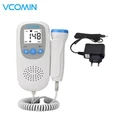
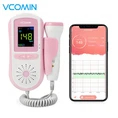
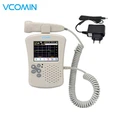
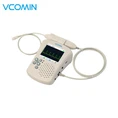
VCOMIN's handheld doppler monitors are designed for easy use in both clinical and field environments. Lightweight and battery-operated, they are ideal for mobile veterinarians and equine specialists who need reliable blood flow data on the go.
2-4. Broad clinical applications
From checking femoral pulse in surgery to diagnosing limb ischemia or detecting arterial stenosis, Doppler technology has found widespread applications in animal healthcare. It is now a routine part of anesthesia monitoring, reproductive assessments, and cardiology evaluations.
3.Why accuracy matters in veterinary doppler systems
In veterinary medicine, animals cannot verbally communicate symptoms. This makes objective and accurate tools like Doppler monitors crucial. An advanced vascular Doppler helps prevent complications by alerting clinicians to vascular obstructions, poor perfusion, or cardiac anomalies early in the diagnostic process.
4.A Global shift toward advanced veterinary diagnostics
As pet ownership increases globally and animal healthcare standards rise, more veterinary professionals are investing in advanced diagnostic tools. Doppler ultrasound devices are at the forefront of this trend. VCOMIN, with over 15 years of experience in manufacturing veterinary vascular Dopplers, exports to more than 100 countries, serving both small clinics and large hospitals worldwide.
Our commitment to quality, innovation, and user-friendly design has positioned our devices as trusted tools for thousands of veterinarians across continents.
5.Conclusion
Doppler ultrasound technology has reached a remarkable level of advancement in veterinary applications. From enhanced sensitivity to portable designs and real-time data feedback, these devices are reshaping animal diagnostics. At VCOMIN, we are proud to be at the heart of this innovation, providing reliable veterinary Doppler solutions trusted around the globe.
Whether you're monitoring a canine's femoral artery during surgery or checking vascular flow in an exotic bird, our veterinary Doppler systems are built to deliver precision and confidence-wherever your practice takes you.